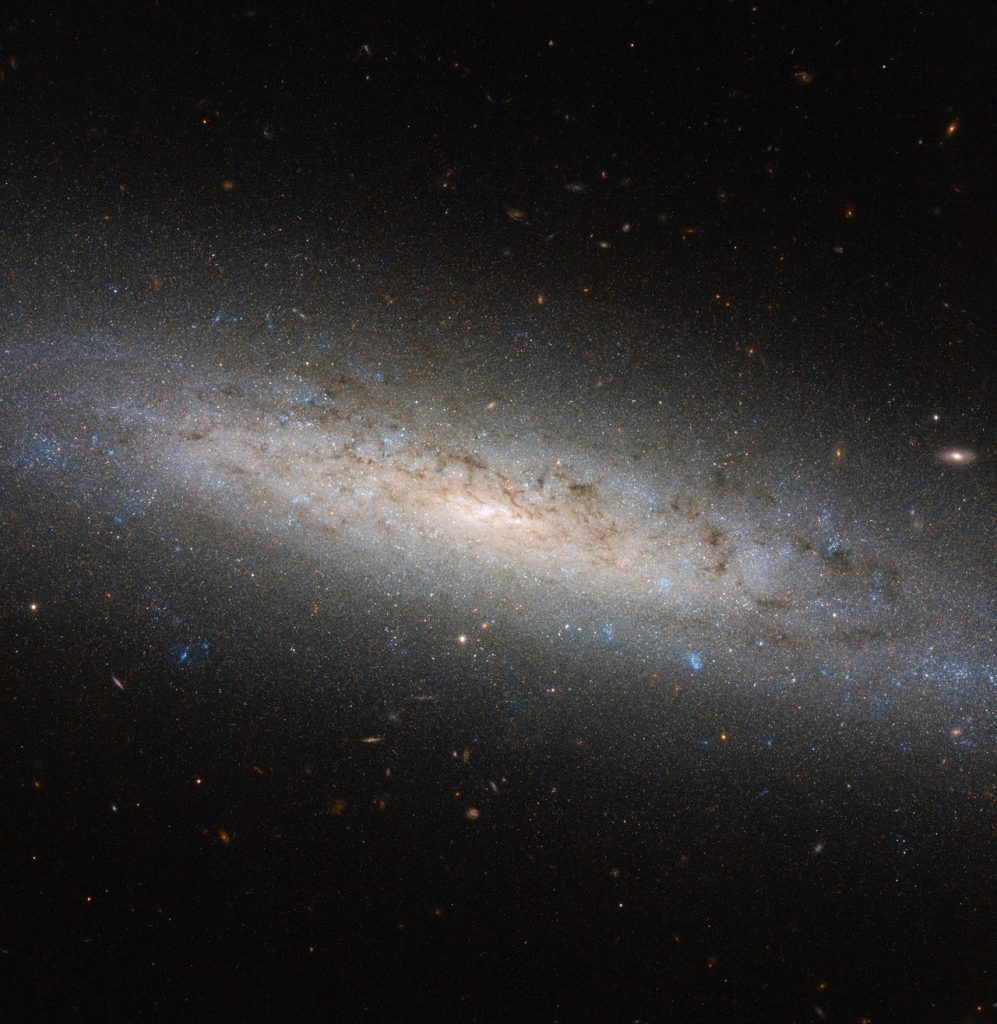
Why scientists believe 85% of the universe is invisible is one of the biggest mysteries in modern astrophysics. If we can’t see this hidden matter, how do we know it exists at all? In this article, we explore the evidence behind the invisible universe and how these discoveries help inspire the world of Darker Matter.
What Scientists Mean When They Say 85% of the Universe Is Invisible
It sounds impossible: how can scientists claim that most of the universe is invisible if no one has ever seen it?
Yet this idea, that around 85% of all matter is hidden, is one of the most important discoveries in modern astrophysics. And it’s a concept that sits right at the heart of the Darker Matter series.
In this post, we’ll break down why scientists are so confident that the invisible dominates the cosmos, how we detect what we can’t see, and why this mysterious substance shapes galaxies, stars and inspired Darker Matter.
What Do Scientists Mean by “Invisible” Matter?
When scientists say the universe is “invisible,” they don’t mean it’s hiding behind a planet or cloaked in shadow. They mean:
- It doesn’t emit light
- It doesn’t reflect light
- It doesn’t interact with electromagnetic radiation
In short, telescopes can’t detect it. This invisible material is known as dark matter.
Although dark matter can’t be seen, its gravitational fingerprint shows up everywhere, and that’s how scientists believe that it exists.
Galaxy Rotation: Key Evidence for Why Scientists Believe 85% of the Universe Is Invisible
One of the biggest reasons scientists believe 85% of the universe is invisible comes from studying how galaxies spin.
If galaxies contained only the visible stars and gas we can detect, they would fly apart.
But they don’t. Instead, galaxies rotate far too fast to be held together by visible matter alone.
Scientists concluded that:
✔ Something massive must be adding gravity
✔ This extra mass must surround galaxies in a halo
✔ We can’t see it
This was one of the earliest and strongest pieces of evidence for dark matter.
Gravitational Lensing: How We Detect the Invisible Universe
Einstein predicted that gravity bends light, and he was right.
When astronomers observe distant galaxies, the light is sometimes distorted or magnified by something in the foreground. Often, that “something” isn’t visible at all.
This effect, known as gravitational lensing, lets scientists “see” the mass of invisible matter by the way it bends light. It’s like seeing the shape of a glass object only by the way it warps the light behind it.
The Cosmic Web: Another Clue That Most of the Universe Is Invisible
To form the cosmic web we observe today, scientists calculate that the universe must contain far more mass than what emits light.
Dark matter acts as the scaffolding of the cosmos. Without this invisible structure, galaxies wouldn’t exist at all.
Why This Matters (and Why It Inspires Darker Matter)
Dark matter shapes everything, galaxies, cosmic structure, and the universe itself. It also raises big questions:
- What is dark matter made of?
- Why doesn’t it interact with light?
- Could it influence life, time, or physics in ways we can’t detect?
These mysteries inspired the unseen forces, hidden power structures, and cosmic threats within the Darker Matter series.
A Quick Summary
cientists believe 85% of the universe is invisible because:
- Galaxies rotate too fast without extra hidden mass
- Gravitational lensing reveals unseen material
- The cosmic web requires far more matter than we can observe
Dark matter remains one of the greatest scientific mysteries, and one of the richest sources of inspiration for science-fiction and fantasy.
In Dakor’s Darkness – Darker Matter Book I the boundary between science and sorcery begins to blur. Ancient forces manipulate the very fabric of spacetime, creating rifts reminiscent of theoretical wormholes.
Wildfire – Darker Matter Book II delves even further into the mysteries of energy and dimension, revealing the dangerous price of tampering with universal laws.
“When you open one door between worlds, you might never close it again.”
Comments are closed.